

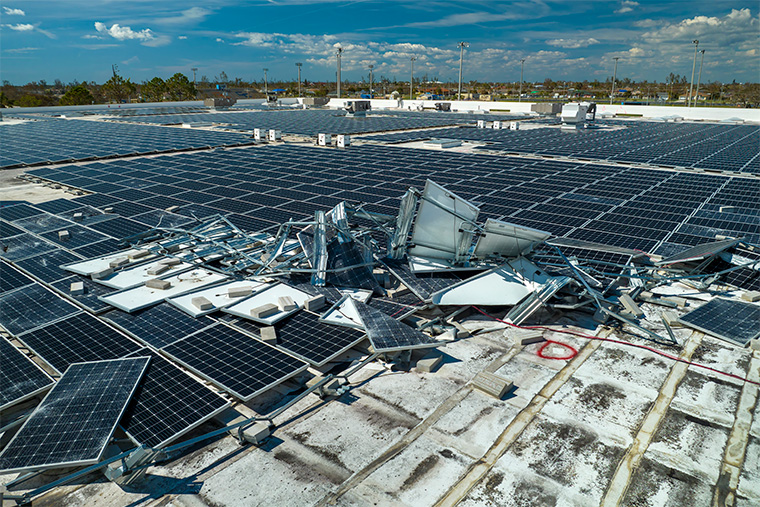




RALEIGH, NC — The NC Clean Energy Technology Center (NCCETC) released the annual update to its solar decommissioning tracking snapshot report today, entitled “The 50 States of Solar Decommissioning: 2025 Snapshot.” The report reviews the 2025 state solar decommissioning policy landscape, covering legislative updates on decommissioning planning, financial assurance, and recycling for solar and co-located battery storage systems.
“As solar project decommissioning has become a significant focus for state legislatures, local officials, project developers, and communities, the rapid build-out of battery storage systems, whether co-located or standalone, has also brought increasing attention to the decommissioning of storage technologies,” said Justin Lindemann, Senior Policy Analyst at NCCETC and lead author of the report. “Battery system health and safety – including recycling and deconstruction – has risen among community concerns, as have questions surrounding solar project decommissioning, and lawmakers in several states are working to get ahead of potential future challenges.”
Statewide Solar Decommissioning Policies (as of December 2025)
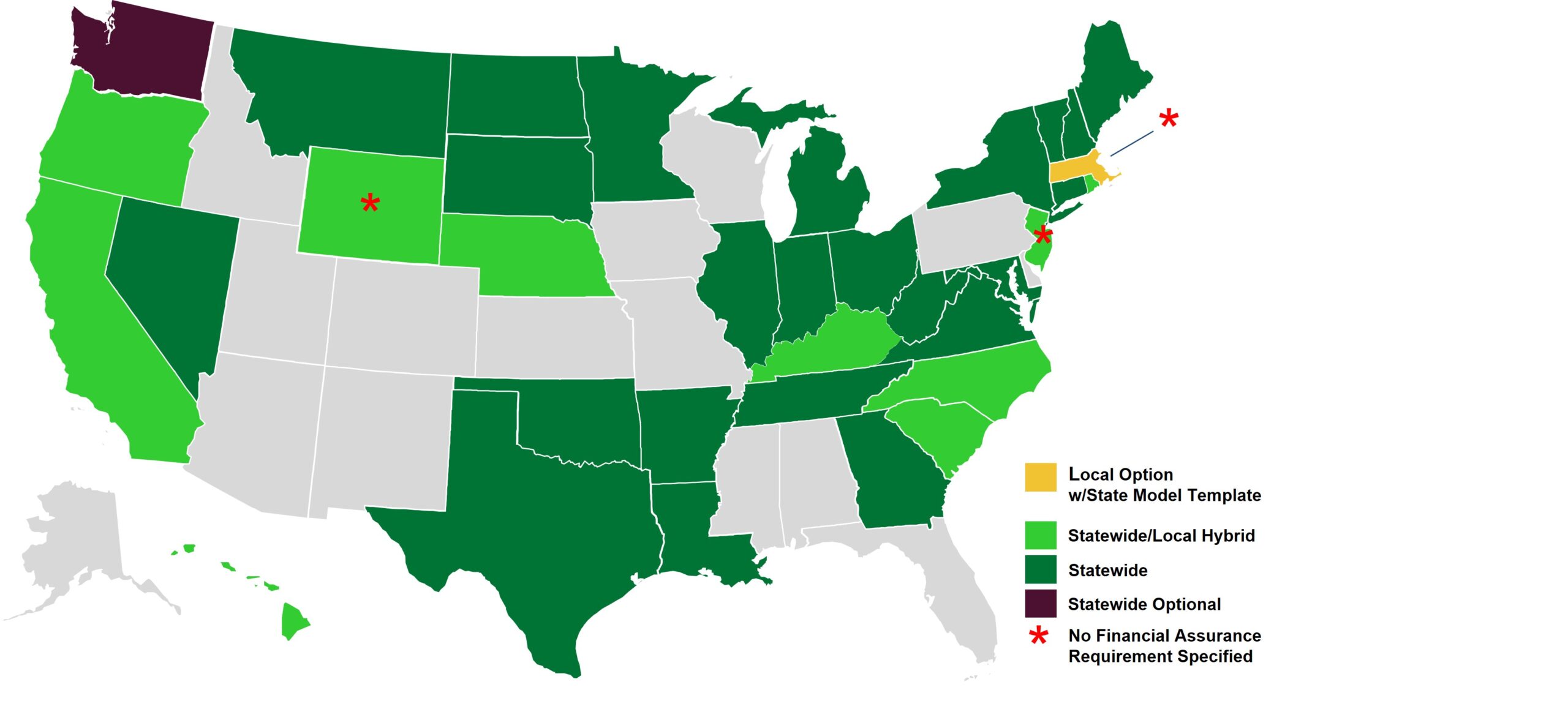
The 2025 snapshot finds that 23 states have a statewide policy, 10 states have a statewide/local hybrid policy, 1 state has a statewide optional policy, and 1 state provides an official model template that local governments may adopt (see figure above). More than half of all states had legislative actions related to solar and storage decommissioning and recycling in 2025, more than double the number of states compared to 2024, with the Northeast and Southeast showing the most activity, alongside significant developments in the West, as states are taking decommissioning as a serious and near-term element of a project’s lifespan.
The report identifies several decommissioning policy trends. More states are adopting policies to address battery storage system decommissioning–including standalone, co-located, and front-of-the-meter projects. States are increasingly requiring project owners and developers to provide financial assurance for battery storage facilities. Recycling has become a central feature of solar decommissioning policies, with some states extending requirements to storage systems and mandating recycling where practicable. In addition, some states grant landowners significant influence over the decommissioning process through modifications to project-related plans and agreements.
- Oklahoma enacted the Commercial Solar Facility Decommissioning Act, requiring removal, technical standards, and financial assurance for large solar projects – adding more detail to its existing statute.
- Nevada now requires distributed generation owners to file solar panel end-of-life plans with a minimum 90% recycling rate, and projects over 70 MW must include full decommissioning and land restoration details.
- Arkansas requires solar developers on agricultural land to sign remediation agreements with landowners that include deconstruction standards and financial assurance.
- Texas passed laws mandating the recycling/disposal of solar components and setting decommissioning and financial assurance rules for battery storage, including co-located systems.
- Maryland created a certificate of public convenience and necessity for 2–5 MW community solar projects, with standardized siting and decommissioning rules by 2026 and surety bonds updated every five years.
VIEW THE 2025 SNAPSHOT REPORT →
Tagged with battery storage, recycling, solar